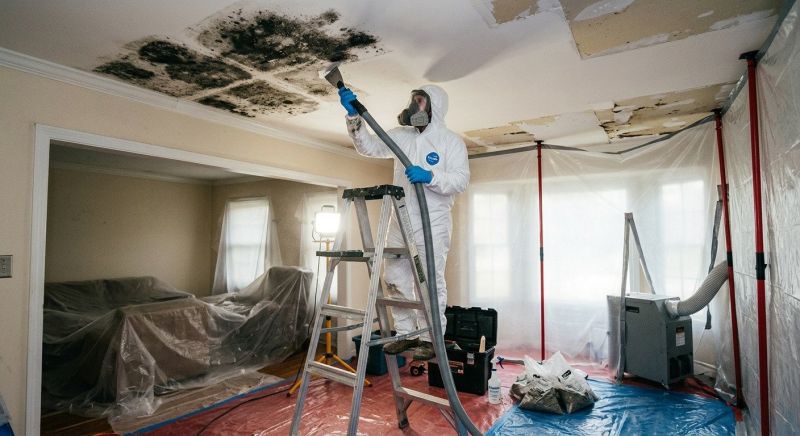
Ceiling Mold Removal in Bergen County, NJ
Ceiling mold removal services focus on identifying and eliminating mold growth that appears on or within ceiling surfaces. This type of service typically covers projects where mold has developed due to excess moisture, leaks, or poor ventilation, often caused by plumbing issues or roof leaks. Property owners usually want to understand the extent of mold presence, the causes of moisture buildup, and the best methods for safely removing mold to improve indoor air quality and prevent future growth.
Before requesting ceiling mold removal, homeowners should assess whether the mold is confined to a small area or widespread throughout the ceiling. It’s also important to consider if there are underlying issues such as leaks or humidity problems that need addressing to prevent recurrence. Proper identification of the mold type and the condition of the ceiling surface can influence the removal approach and ensure that the process is thorough and effective.
Many property owners in Bergen County, NJ look into Ceiling Mold Removal for repairs, replacements, upgrades, and appearance-related improvements.
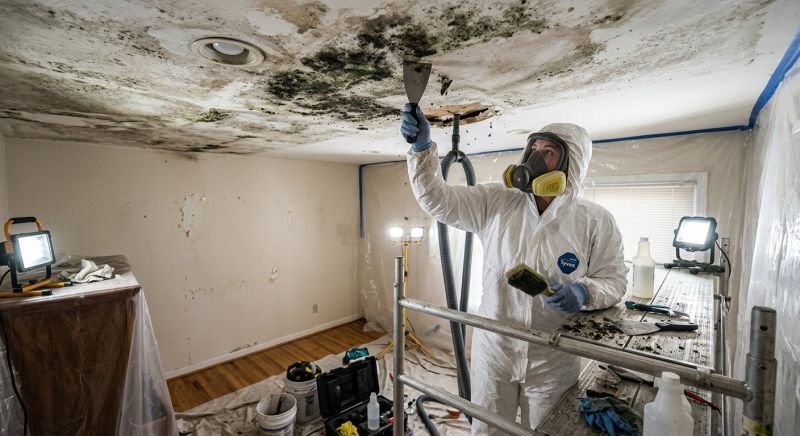
Identifying Ceiling Mold
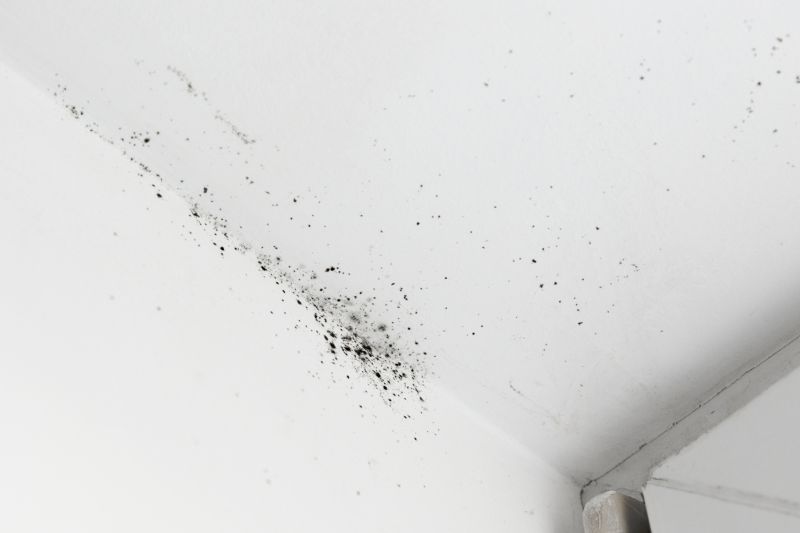
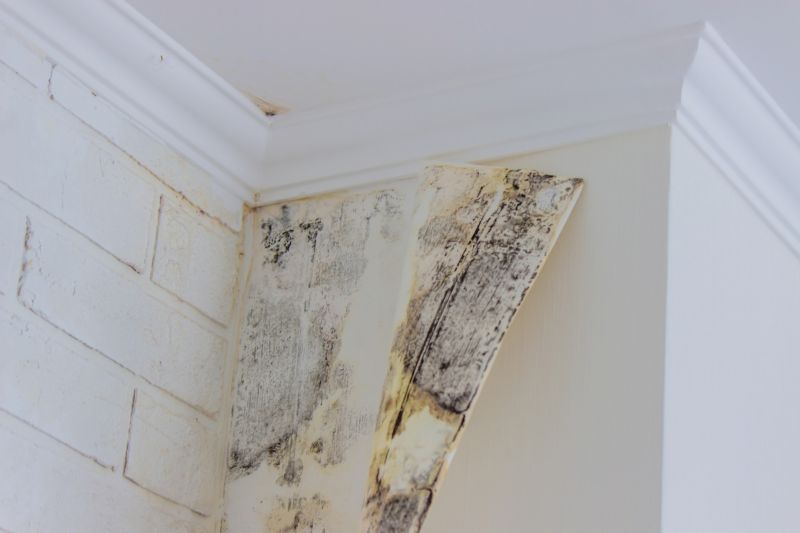
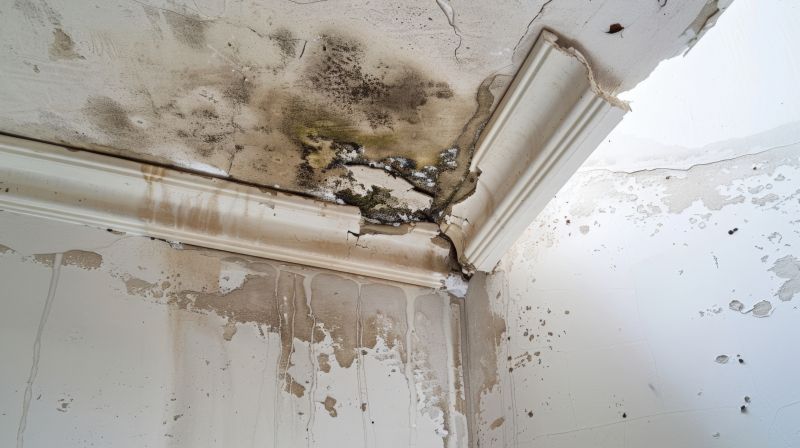
Signs of ceiling mold include discoloration, musty odors, and water stains that may indicate hidden moisture issues.
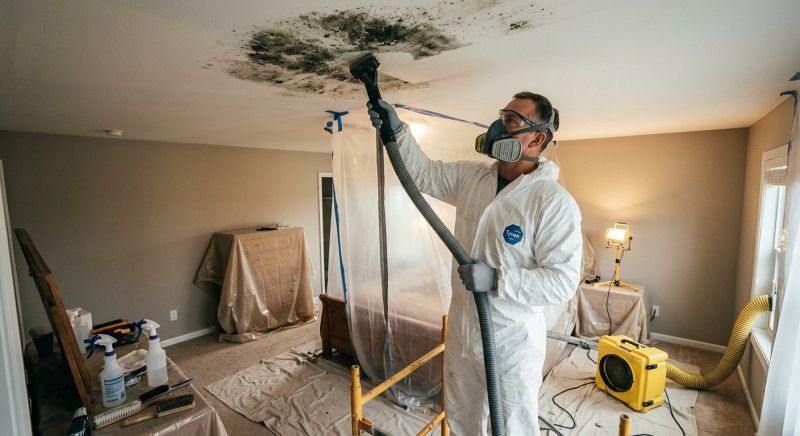
Health And Safety Concerns
Removing ceiling mold helps prevent health problems caused by mold spores and improves indoor air quality.
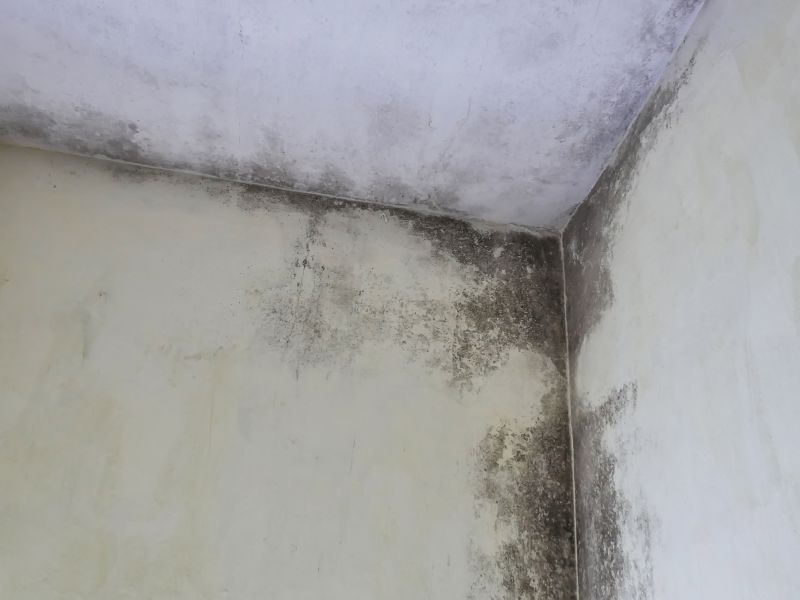
Preventing Future Mold Growth
Proper ventilation and moisture control are essential to keep ceilings mold-free in bergen county homes.
Ceiling Mold Removal in Bergen County, NJ
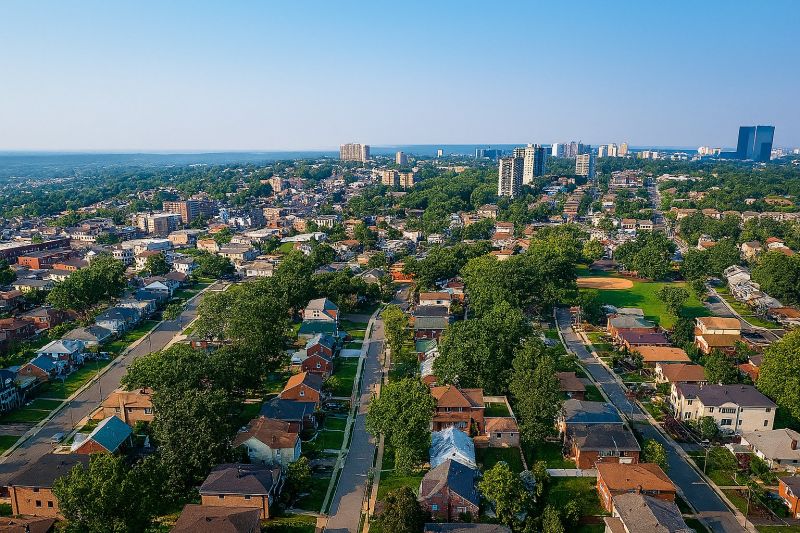
Ceiling mold removal services focus on identifying and eliminating mold growth that appears on or within ceiling surfaces. This type of service typically covers projects where mold has developed due to excess moisture, leaks, or poor ventilation, often caused by plumbing issues or roof leaks. Property owners usually want to understand the extent of mold presence, the causes of moisture buildup, and the best methods for safely removing mold to improve indoor air quality and prevent future growth.
Before requesting ceiling mold removal, homeowners should assess whether the mold is confined to a small area or widespread throughout the ceiling. It’s also important to consider if there are underlying issues such as leaks or humidity problems that need addressing to prevent recurrence. Proper identification of the mold type and the condition of the ceiling surface can influence the removal approach and ensure that the process is thorough and effective.
Many property owners in Bergen County, NJ look into Ceiling Mold Removal for repairs, replacements, upgrades, and appearance-related improvements.
Common Ceiling Mold Removal Jobs
Ceiling mold removal - specialized cleaning to eliminate mold growth on ceiling surfaces.
Mold remediation - comprehensive services to address mold issues caused by moisture or leaks.
Water damage restoration - removal of mold resulting from water leaks or flooding incidents.
Mildew cleanup - targeted treatment to remove mildew and prevent future growth.
Air quality improvement - reducing mold spores to enhance indoor air safety and freshness.
Structural inspection - assessing ceiling conditions to identify hidden mold and damage.
Ceiling Mold Removal Questions
What causes ceiling mold growth? Ceiling mold often results from excess moisture, such as leaks or high humidity levels, which create an environment for mold to develop.
How can mold be identified on ceilings? Mold appears as discolored spots, often black, green, or brown, and may have a musty odor indicating its presence.
Are there health concerns related to ceiling mold? Yes, exposure to ceiling mold can cause respiratory issues, allergies, and irritation for sensitive individuals.
What is the typical process for removing ceiling mold? The process involves cleaning affected areas, removing mold-contaminated materials if necessary, and addressing underlying moisture sources.
Request Ceiling Mold Removal in Bergen County, NJ
Use the quote form on this page to share the basics of your project and request more information for the type of work you need.